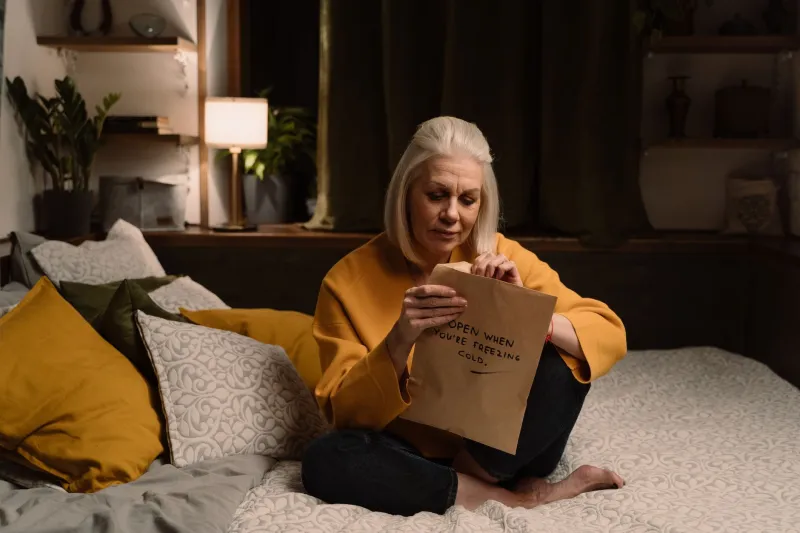
When Home Feels Too Good to Leave: The Psychology Behind Staying In
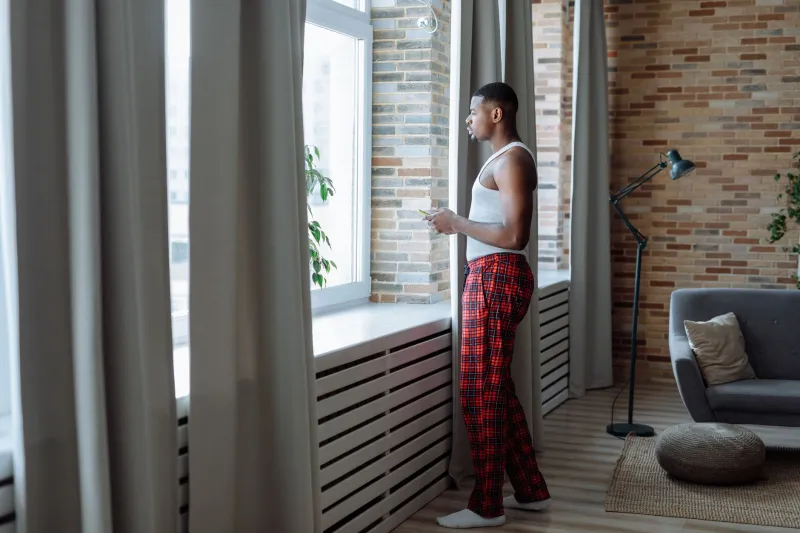
You spent months getting it just right. The lighting is warm, the couch is broken in perfectly, the throw blankets are exactly where you want them. Your home is, by every measure, the most comfortable place you know. And yet — somewhere in the back of your mind — you're starting to wonder if too comfortable is actually a thing.
Spoiler: it kind of is.
This isn't about shaming your love of a well-decorated living room or your very reasonable preference for staying in on a Friday night. It's about something subtler — the way a genuinely lovely home can, over time, quietly shift from being a place you return to with relief into a place you struggle to leave at all.
The Psychology Has a Name (Sort Of)
Therapists and behavioral researchers have been paying attention to what some loosely call "nest syndrome" — a pattern where a person becomes so emotionally invested in their home environment that venturing outside starts to feel genuinely unappealing, even anxiety-inducing. It's not the same as agoraphobia, and it doesn't require a clinical label to be worth noticing. It's more of a slow drift.
The mechanism is pretty straightforward: your brain is wired to seek comfort and minimize perceived threat. When your home delivers on comfort consistently — soft textures, controlled temperature, familiar smells, no social friction — it starts to register as safe in a very deep, neurological sense. The outside world, by comparison, starts to feel like it's asking a lot.
Over time, the gap between how good home feels and how effortful everything else seems can quietly widen. You don't make a conscious decision to withdraw. You just... keep choosing to stay in. And the choosing gets easier each time.
When Sanctuary Tips Into Avoidance
There's a meaningful difference between genuinely needing rest and using comfort as a buffer against things that make you anxious — social situations, unpredictability, the low-grade stress of just being out in the world. The tricky part is that both can look exactly the same from the outside, and sometimes from the inside too.
Some signs that your cozy space might be doing double duty as an avoidance mechanism:
- You cancel plans more than you used to, and the relief you feel afterward is significant
- You've started framing outside activities as "not worth the effort" even when they used to bring you genuine joy
- Your home has become your primary source of pleasure, stimulation, and social interaction
- The idea of being somewhere you can't fully control — noise, temperature, seating — feels genuinely stressful
- You're spending more time curating your space than you are spending time in the world your space is supposed to help you recover from
None of these things are character flaws. They're patterns, and patterns can shift.
What Designers and Therapists Both Notice
Interior designers who work on residential spaces often talk about the concept of a home that "holds" you — one that provides genuine psychological support. But the best ones are also careful about the difference between a space that restores your energy and one that absorbs it entirely.
The goal, as one way of thinking about it goes, is to design a home that makes you better at living your life — not one that becomes a substitute for it. That means thinking about your space not just as a place to relax, but as a launchpad. Does your entryway feel like a threshold you want to cross in both directions? Does your morning routine set you up to engage with the day, or ease you deeper into staying put?
Therapists who work with clients on social anxiety or depression often note that environmental comfort can become a reinforcing loop. The more pleasant home feels, the less motivation there is to tolerate discomfort elsewhere — and tolerating discomfort is, unfortunately, how we stay connected to other people and to experiences that matter.
Designing for Return, Not Just Retreat
Here's the reframe that actually helps: instead of thinking about your home as a place you escape to, think about it as a place you escape from things — temporarily — so you can go back out and do it again.
That shift in framing can actually change how you design and use your space.
Build in departure rituals. The way you leave your home matters. A designated spot for your keys, a coat hook you actually use, a small morning routine that orients you outward — these aren't just organizational tricks. They're psychological cues that your home is a base, not a destination.
Let some discomfort stay. Resist the urge to optimize every corner of your home into peak comfort. Leave a little friction. An uncomfortable chair in your office. A reading nook that requires a blanket you have to go get. Small inconveniences keep your tolerance for the non-perfect alive.
Design for people coming in, not just you staying. When you make your space genuinely welcoming to other people — not just aesthetically pleasing, but actually set up for conversation and shared time — you naturally start thinking of it as a social space rather than a solo one. That matters more than you'd think.
Use your home as a recovery tool, not a primary experience. Ask yourself: what am I recovering from right now? If the honest answer is "nothing, I just haven't been anywhere in a while," that's useful information.
The Cozy Middle Ground
None of this means your home should be less comfortable. That's not the point, and honestly, a well-designed space that genuinely restores you is one of the quieter forms of self-care that doesn't get enough credit.
The goal is just to keep the relationship healthy — where your home supports your life rather than standing in for it. Where the warmth of your living room makes you feel equipped to handle the cold outside, not convinced that cold isn't worth dealing with.
Your home is supposed to be the best part of coming back. Which means, somewhere in the design of it, there should always be room for the going.