The Cheapest Home Upgrade You're Probably Ignoring (Hint: It's Your Lighting)

Photo: PattayaPatrol, CC BY-SA 4.0, via Wikimedia Commons
If you've ever walked into a hotel lobby and thought, why does this feel so much better than my apartment, there's a very good chance the answer wasn't the furniture. It was the lighting.
Lighting is one of those things that everyone experiences but almost nobody thinks about deliberately — at least not until something feels off and they can't quite figure out why. That overhead fluorescent buzz, the harsh glare of a bare bulb, the way a room feels weirdly flat even after you've redecorated it. Nine times out of ten, it's a lighting problem.
The good news? Of all the things you can change about your home, lighting is one of the most affordable, most reversible, and — when you get it right — most transformative. No renovation required.
Why Light Hits Different (Literally)
Your body doesn't just see light. It responds to it on a biological level. Exposure to different color temperatures and intensities sends direct signals to your brain that regulate everything from alertness and energy to serotonin production and sleep quality.
The science here is pretty well established. Cool, blue-toned light (think: office overhead fluorescents, the light from your phone screen) suppresses melatonin and keeps your brain in a wakeful, task-focused state. Warm, amber-toned light does roughly the opposite — it signals to your nervous system that the day is winding down, which is why candlelight and firelight have always felt inherently cozy. Your brain isn't just associating warmth with safety; it's literally being told to relax.
This is also why seasonal light matters so much in the US, particularly in northern states. If you live in Minnesota, Michigan, or anywhere that sees limited daylight between November and March, your home's lighting isn't just a style choice — it's a mental health consideration. Seasonal Affective Disorder (SAD) affects an estimated 10 million Americans, and a much larger percentage experience the milder "winter blues" that come with shorter days. Strategic lighting can't replace sunlight, but it can meaningfully soften the impact.
Understanding Color Temperature (Without the Technical Headache)
Bulb packaging lists color temperature in Kelvins, and if you've never paid attention to it, here's the quick version:
- 2700K–3000K: Warm white. This is your cozy zone. Think golden, slightly amber light that feels like late afternoon sun. Great for living rooms, bedrooms, and dining spaces.
- 3500K–4100K: Neutral white. Crisp and clean without being harsh. Good for kitchens and bathrooms where you need to actually see what you're doing.
- 5000K–6500K: Daylight or cool white. Bright and energizing. Useful for home offices, garages, or task lighting — but brutal in spaces meant for relaxation.
Most American homes default to whatever bulb was cheapest at the hardware store, which often means inconsistent temperatures across rooms. Swapping out bulbs to create intentional warmth is genuinely one of the easiest $15 upgrades you can make.
Room-by-Room Lighting Strategies
Living Room This is where layering matters most. Overhead lighting alone flattens a room and tends to feel institutional. Instead, think in three layers: ambient (a soft overhead or ceiling fixture), accent (table lamps, floor lamps), and task (a focused light for reading). Dimmer switches are a game-changer here — they cost under $20 at most hardware stores and give you complete control over the mood without buying new fixtures.
Bedroom The bedroom should never be lit by overhead lighting alone, especially at night. Bedside lamps with warm bulbs (2700K) tell your body it's time to wind down. If you're someone who scrolls before sleep, consider a smart bulb that automatically shifts to a warmer, dimmer setting after 9 PM. Brands like Wyze and Sengled offer app-controlled options for under $15 a bulb.
Kitchen Kitchens are tricky because you genuinely need good light to cook safely, but harsh overhead lighting can make the space feel cold and uninviting. Under-cabinet LED strips are inexpensive, easy to install, and add a warm, practical glow that makes the kitchen feel more like a place you'd want to spend time in. A pendant light over an island or table, even a simple one, adds warmth without sacrificing function.
Home Office If you work from home, your office lighting is doing double duty — it needs to keep you alert during the day and not destroy your sleep if you're working in the evening. A daylight-temperature desk lamp for task work paired with a warm ambient light in the background is a solid setup. If your office lacks natural light, a full-spectrum light therapy lamp (widely available at Target, Walmart, and Amazon for $30–$60) can meaningfully boost your mood and energy during winter months.
Seasonal Adjustments That Actually Help
Lighting your home the same way year-round is a missed opportunity. In summer, you can afford to lean cooler and brighter — the days are long, you're getting natural light, and your body is generally more energized. In winter, go warmer and lower. More candles, more lamp-only evenings, more intentional dimming after dinner.
This isn't just aesthetic. It's working with your body's natural rhythms rather than against them. A lot of people redecorate for the seasons — swapping out throw pillows and adding heavier blankets — but forget that the most impactful seasonal shift they could make is to the light itself.
The Affordable Upgrade List
If you want to start somewhere practical, here's a quick list of changes that cost under $50 total and make a noticeable difference:
- Replace overhead bulbs in your main living areas with 2700K warm white LEDs
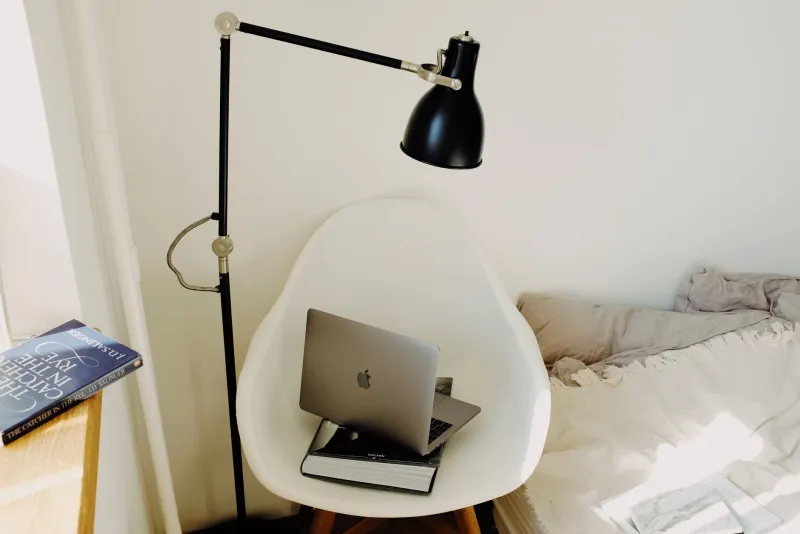
- Add one floor lamp to any room that relies solely on overhead lighting
- Install a dimmer switch in your living room or bedroom
- Pick up a string of warm Edison-style LED lights for a shelf, mantle, or bedroom corner
- Try one evening a week with no overhead lights at all — just lamps and candles
That last one is free, and it might be the most convincing experiment you can run.
A Small Change With a Big Feeling
At Cozy Cotg, we're big believers that the feeling of a home matters more than its square footage or its price tag. And lighting is one of the clearest examples of that principle in action. You can have a beautifully decorated room that feels wrong because the light is cold and flat. You can also have a pretty ordinary room that feels like the coziest place on earth because someone thought carefully about where the warmth comes from.
Your home deserves that kind of thought. And honestly? Your nervous system does too.