Smell Like a New Room: The Seasonal Scent Strategy That Makes Your Home Feel Fresh Without Moving a Single Piece of Furniture
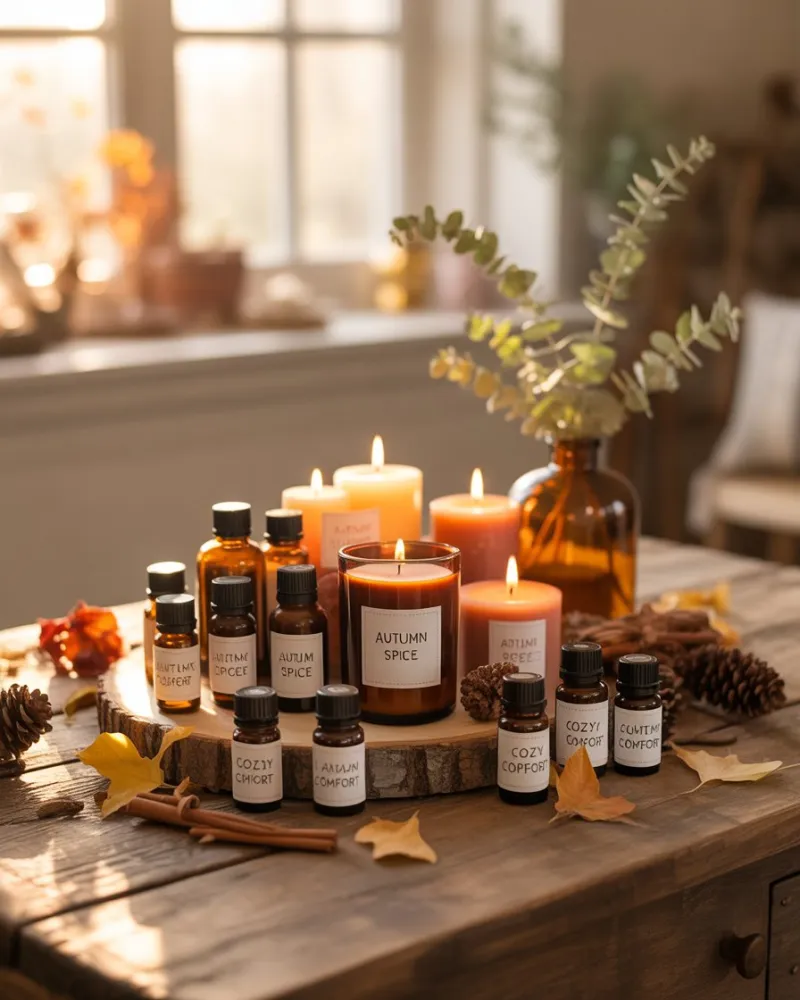
Photo: cozy home candles diffuser seasonal fragrance styling flat lay, via nimorix.com
You know that feeling when you walk into someone else's home and it just feels different? Not because of anything you can immediately point to — the furniture might even be similar to yours — but something about the air makes the whole space feel intentional, alive, like it belongs to a specific moment in time.
Chances are, scent is doing a lot of that heavy lifting.
Most of us think about refreshing our homes visually — new throw pillows, a different rug, rearranging the gallery wall. But smell is the sense most directly wired to emotion and memory, which means it has an almost unfair advantage when it comes to shifting how a space feels. And the best part? Swapping your home's fragrance profile costs a fraction of what even a modest decorating update would run you.
Here's how to do it with intention.
Why Your Brain Responds to Scent So Differently
A quick detour into neuroscience, because it actually makes the whole strategy click.
Unlike your other senses, smell bypasses the thalamus — the brain's relay station — and connects directly to the limbic system, which governs emotion and memory. That's why a particular scent can instantly transport you to a specific place or feeling before you've even consciously registered what you're smelling.
This also means that when a space smells different, your brain processes it as genuinely different — not just a cosmetic change, but an environmental one. Researchers have found that people rate the same room as more pleasant, more spacious, and even more inviting when it smells good versus when it's neutral or stale.
For homeowners dealing with decorating fatigue — that low-grade dissatisfaction with a space you've looked at the same way for two years — scent is a surprisingly effective reset button.
The Seasonal Rotation: A Simple Framework
The idea here isn't to go out and buy sixteen different candles. It's to develop a loose fragrance identity for each season and rotate accordingly. Think of it like changing out your wardrobe — you're not replacing everything, just shifting the palette.
Winter: Depth and Warmth
Winter scents should feel like being inside while it's cold outside. This is the season for richness — woods, resins, spices, smoke. Think sandalwood, clove, cedarwood, amber, vanilla with some edge to it, and the occasional leather or tobacco note if you want something more unexpected.
Budget-friendly combinations to try:
- Cedar + vanilla candle (widely available at Target and TJ Maxx for under $15) paired with a diffuser blend of clove and orange peel
- Balsam fir room spray (particularly good from late November through January) layered with a slow-burning amber candle
- Simmer pot of cinnamon sticks, apple peels, and star anise — costs almost nothing and fills a whole floor
Spring: Clean, Green, and Slightly Floral
Spring scents are about contrast — the relief of air that doesn't feel heavy. This is the season for fresh herbs, green stems, light florals (think peony or violet rather than rose or jasmine), and clean linen-type notes.
Budget-friendly combinations:
- A eucalyptus bundle hung in the shower (releases scent with steam, lasts weeks)
- Diffuser blend of bergamot and white tea
- Fresh-cut herbs in a small vase near the kitchen — basil, mint, or thyme release scent naturally and double as decor
Summer: Bright, Citrus-Forward, and Light
Summer calls for scents that feel effortless rather than heavy. Citrus, light aquatics, coconut, sea salt, and sun-warmed linen all work here. You want things that smell like an open window, not a closed room.
Budget-friendly combinations:
- Lemon + basil candle (a combination that's been having a major moment and is now easy to find at most home stores)
- Diffuser blend of grapefruit, lime, and a touch of mint
- A bowl of fresh lemons or oranges on the counter — functional, beautiful, and genuinely fragrant
Fall: Earthy, Spiced, and Grounding
Fall is where most people already have a scent instinct — pumpkin spice everything — but the category is richer than that. Think dried leaves, apple orchards, warm spice without the sweetness, woodsmoke, and the particular smell of cool air meeting warm interiors.
Budget-friendly combinations:
- Cardamom + clove diffuser blend (surprisingly different from the standard cinnamon-forward fall options)
- Dried orange and clove pomanders — a weekend project that scents a room for weeks
- A cedar or vetiver candle for rooms where you want something earthy rather than sweet
Layering Scents Without Overwhelming a Room
One of the most common mistakes people make with home fragrance is using too many competing sources at once. If your candle, your diffuser, your fabric spray, and your plug-in are all doing different things in the same room, the result isn't layered — it's chaotic.
A better approach: think of each room as having one anchor scent (your primary candle or diffuser) and one supporting element (a linen spray, a simmer pot, fresh botanicals) that either matches or complements it. Keep them in the same scent family — citrus with citrus, wood with wood — and let them work together rather than compete.
Also worth noting: your nose adapts quickly to scents you're constantly around, which is called olfactory fatigue. This is actually an argument for seasonal rotation — by the time you've lived with your winter scent profile for three months, switching to something fresh and green in March will feel genuinely transformative.
A Few Practical Notes
Wax melts are underrated. If you have pets or small kids and prefer flameless options, wax melts with a good electric warmer can produce surprisingly strong, long-lasting fragrance for very little money. Look for melts from small makers on Etsy for more interesting scent combinations than what you'll find at big box stores.
Reed diffusers work best in smaller spaces. A bathroom, a hallway, or a bedroom responds really well to reed diffusers. In a large open-plan living area, they tend to get lost.
Natural doesn't always mean better. Synthetic fragrance gets a bad reputation, but some of the most complex, beautiful home scents are partially or fully synthetic. What matters more is quality and concentration. A well-made synthetic candle will outperform a poorly made "natural" one every time.
Your nose is the best guide. Trust it. If a scent makes you feel something good the moment you open the lid, it's probably going to do its job in your space.
The Bigger Picture
There's something genuinely freeing about realizing you can change how your home feels without spending a lot of money or moving anything heavy. Scent is quiet, it's affordable, and it works in a way that bypasses logic and goes straight to feeling.
Switching your fragrance profile with the seasons is one of those small rituals that, over time, gives your home a sense of aliveness — like it's responding to the world outside rather than sitting static while time passes.
That's really what coziness is about, when you think about it. Not a frozen aesthetic, but a space that keeps feeling right.