Spending Smart on Feeling Good: How Americans Are Turning Their Homes Into Wellness Sanctuaries
Not that long ago, splurging on a $200 set of sheets or a $400 air purifier might have felt like an indulgence you'd need to justify. Today? For a growing number of Americans, those purchases feel more like necessities — right up there with a gym membership or a therapy copay.
Welcome to what some economists and lifestyle researchers are calling the comfort economy. It's a cultural and consumer shift that's quietly reshaping how people allocate their budgets, redesign their living spaces, and think about what it actually means to take care of themselves.
From "Treat Yourself" to "Take Care of Yourself"
The idea of investing in home comfort isn't new. But the framing around it has changed dramatically. Where previous generations might have seen a plush throw blanket or a high-end mattress as a luxury, many Americans now categorize these things under the broader umbrella of mental and physical wellness.
And there's data to back that up. Surveys from home goods retailers and wellness industry trackers consistently show that spending on bedding, air quality products, aromatherapy, ambient lighting, and temperature control has climbed steadily over the past several years. The pandemic, unsurprisingly, played a huge role — but the trend hasn't reversed now that life has opened back up. If anything, it's accelerated.
People discovered, during those long months at home, that their environments had a profound effect on their mood, their sleep, and their sense of calm. Once you notice that your scratchy pillowcases are disrupting your sleep or that harsh overhead lighting is making you feel anxious, it's hard to un-notice it.
The Big Four: Where Comfort Budgets Are Actually Going
So where exactly is the money flowing? A few categories stand out.
Bedding and Sleep
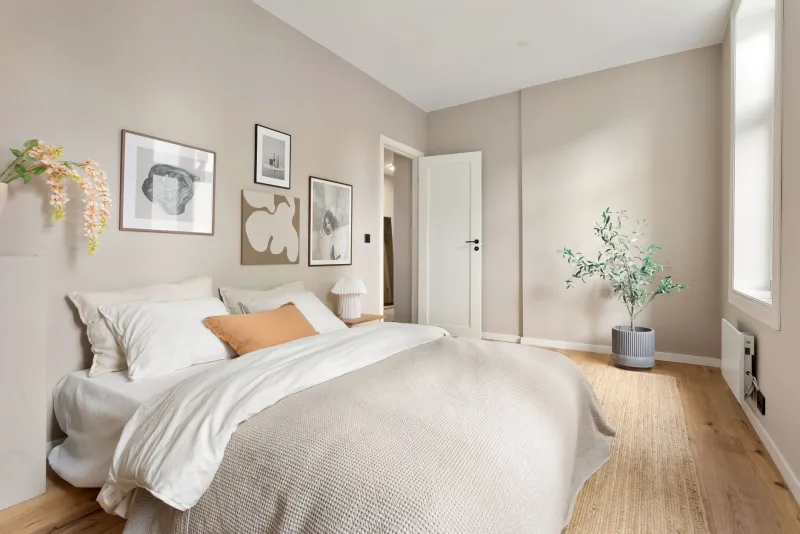
Sleep has become a serious wellness conversation in America, and the bedroom has become ground zero for comfort investment. High-thread-count sheets, weighted blankets, cooling mattress toppers, and ergonomic pillows have all seen surging demand. Americans are increasingly willing to spend more upfront on quality sleep products because the return — actual, restful sleep — feels tangible and immediate.
Brands that once catered to boutique hotel markets are now mainstream household names, and budget-friendly versions of premium sleep products have followed right behind them. The message has landed: good sleep is not optional, and your bedding matters.
Lighting
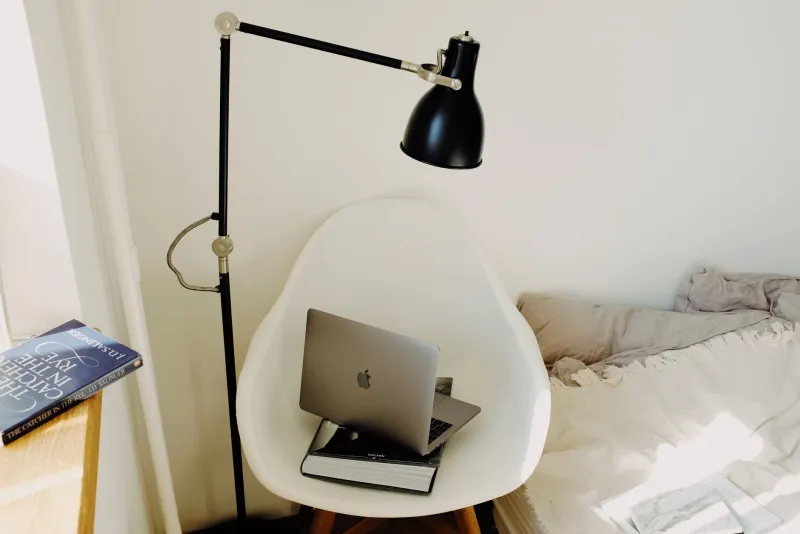
Lighting might be the most underrated element of home comfort, and people are finally waking up to it (pun fully intended). Harsh fluorescent bulbs are getting swapped out for warm-toned LEDs, smart bulbs that shift color temperature throughout the day, and layered lighting setups that let you dial in the exact vibe you need — whether that's focused and alert at 10 a.m. or soft and winding-down at 9 p.m.
Seasonal Affective Disorder is also a real factor for millions of Americans, particularly in northern states where winter sunlight is scarce. Light therapy lamps have moved from niche medical devices to mainstream wellness products, showing up in living rooms and home offices across the country.
Air Quality
The air inside your home is often more polluted than the air outside — a fact that more Americans are becoming aware of. HEPA air purifiers, humidifiers, and even CO2 monitors have become increasingly common household purchases. There's a growing understanding that breathing cleaner, better-humidified air isn't just good for people with allergies or respiratory issues — it affects sleep quality, concentration, and overall mood for everyone.
Scent also falls into this category. Candles, diffusers, and linen sprays have become staple comfort purchases, with many people carefully curating the way their home smells the same way they'd curate its visual aesthetic.
Temperature Control
Few things disrupt comfort as quickly as being too hot or too cold. Americans are investing in smart thermostats, programmable heated blankets, tower fans, and even heated bathroom floors to get precise control over their thermal environment. The ability to walk into a bedroom that's already at your ideal sleep temperature — or to have the living room warm up before you get out of bed on a January morning — feels less like a luxury and more like a reasonable quality-of-life upgrade.
What This Says About Post-Pandemic Priorities
There's a deeper cultural story underneath all of this. The pandemic forced a reckoning with how much time we actually spend at home and how little attention we'd paid to making that time feel good. For many Americans, the home stopped being just a place to sleep and store stuff — it became the place where everything happened. Work, school, social life, relaxation, exercise. All of it.
That experience fundamentally changed the calculus around home investment. Spending money to make your home feel more restorative doesn't seem frivolous when your home is also your office, your gym, and your social venue.
There's also a broader shift in how Americans think about mental health. Therapy, mindfulness apps, and wellness practices have all gone mainstream in ways they hadn't before. Home comfort fits naturally into that framework — it's an extension of the idea that your environment shapes your emotional state, and that tending to your environment is a legitimate form of self-care.
Cozy as a Legitimate Lifestyle Category
What's particularly interesting is that "cozy" has shed its former image as something vague and soft and emerged as a genuine design and wellness philosophy. Concepts like the Danish hygge and the Swedish lagom have given Americans a vocabulary and a framework for something they already intuitively understood: that warmth, softness, good light, and a sense of ease at home are genuinely good for you.
At Cozy Cotg, we've always believed that a home that feels good to be in isn't a luxury — it's a foundation. And it's pretty great to see the broader culture catching up.
The comfort economy isn't about spending more for the sake of it. It's about being intentional — choosing quality over quantity, warmth over flash, and genuine rest over the appearance of rest. Whether that means saving up for a mattress that actually supports you or swapping out one harsh bulb for a softer one, every small shift toward a cozier home is a real investment in how you feel every single day.
And that's a trend we're happy to see sticking around.