All That Coziness Might Be Keeping You Up: The Sleep Science Behind Your Bedroom Design

You did everything right. Weighted blanket? Check. String lights casting that warm amber glow? Absolutely. A white noise machine humming softly in the corner, a diffuser puffing out lavender clouds, four different throw pillows arranged just so? Yes, yes, yes, and yes.
And yet — you can't sleep.
If this sounds familiar, you're not alone. Millions of Americans have poured real time and money into crafting the coziest bedroom they've ever had, only to find themselves wide awake at 1 a.m., scrolling through their phones in a room that looks like it belongs in an Anthropologie catalog. The frustrating truth is that "cozy" and "sleep-promoting" are not the same thing. In fact, they can actively work against each other.
Let's talk about why — and what you can actually do about it.
Your Brain on "Cozy"
Here's the core issue: coziness, as most of us design for it, is an engaging experience. It's meant to feel good, to invite you in, to make you want to settle in and stay. That's the whole point.
But sleep requires the opposite. Your brain needs to power down — to move from an active, alert state into a quieter, less stimulated one. Sleep researchers call the barrier to this transition "hyperarousal," which basically means your nervous system is too activated to make the shift into rest. And a lot of the things we associate with coziness — layered textures, ambient sound, warm lighting, strong scents — are surprisingly effective at keeping that arousal level elevated.
Think about it this way: your bedroom might be sending your brain two messages at once. One says relax. The other, through all its carefully chosen sensory details, says pay attention to how good this feels. That second message is the one keeping you up.
The Texture Problem
Soft textures are practically synonymous with comfort culture, and for good reason — tactile warmth genuinely does promote feelings of safety and calm. But there's a point of diminishing returns.
When your bed has too many competing textures — a chunky knit throw here, a velvet pillow there, a linen duvet layered over a flannel sheet — your body stays subtly engaged trying to process all of it. This is especially true for people who run warm or are sensitive to physical sensation. The pile of decorative pillows you move to the floor every night? They're not just inconvenient. The act of clearing them, and the visual busyness they create, is a small but real form of mental stimulation.
The fix here isn't to strip your bed down to a single flat sheet. It's about intentional layering — choosing textures that feel consistent and calming rather than visually exciting. Think smooth cotton or bamboo as your base, with one or two soft additions rather than a full production.
Ambient Light Is Trickier Than You Think
Warm-toned bulbs and dimmable lamps have become a staple of the cozy bedroom aesthetic, and yes, they're a genuine improvement over harsh overhead lighting. But "warm" doesn't automatically mean "sleep-safe."
The real issue is light exposure timing. Your body's circadian rhythm is regulated largely by light signals, and any light in your environment — even the soft glow of a salt lamp or a string of fairy lights — can interfere with melatonin production if it's present when your brain is trying to initiate sleep. The cozy bedroom that stays softly lit all evening is inadvertently telling your body it's still dusk.
The sweet spot: use warm, low lighting in the hour or two before bed (great for mood, genuinely helpful for winding down), but then aim for near-total darkness when it's actually time to sleep. Blackout curtains, which have the added bonus of blocking early morning light, are one of the highest-return investments you can make in your bedroom — not just for aesthetics, but for actual sleep quality.
When Your Scent Game Works Against You
Lavender has a well-earned reputation as a sleep aid, and there's real research behind it. But the broader category of "bedroom scent" deserves a closer look.
Strong fragrances — even pleasant ones — can be mildly stimulating to the nervous system. A heavily scented candle burning while you try to fall asleep, or a diffuser running at full blast all night, may actually be keeping part of your brain engaged in processing the scent rather than letting it go quiet. This is especially worth considering if you're using energizing oils like eucalyptus or peppermint (popular in "spa-inspired" bedroom setups) rather than genuinely calming ones.
If scent is part of your wind-down ritual, keep it light and brief. A few spritzes of a linen spray before bed, or a diffuser that runs for 30 minutes and then shuts off, gives you the sensory comfort without the all-night stimulation.
The Sound Situation
White noise machines, rain apps, lo-fi playlists, nature soundscapes — the cozy bedroom has a lot of audio options these days. And while consistent, non-intrusive background sound can genuinely help mask disruptive noises and ease anxiety, there's a difference between sound that fades into the background and sound that keeps you subtly engaged.
The issue tends to come up with music that has variation — tempo changes, lyrics, melodic development. Your brain, even when it's trying to sleep, will track these changes. Truly sleep-supportive sound is monotonous in the best way: consistent, low-frequency, and predictable. Pink noise and brown noise tend to outperform white noise for many people precisely because they're less sharp and easier to tune out.
Redesigning for Rest Without Losing the Vibe
None of this means you have to sacrifice the bedroom you love. It means being a little more strategic about when and how the cozy elements show up.
A few practical shifts that make a real difference:
-
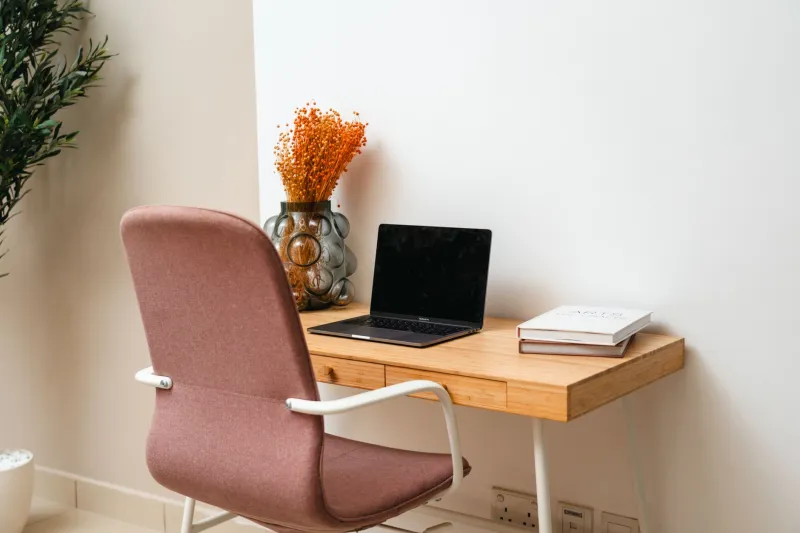
Separate your "wind-down zone" from your "sleep zone." If you have space, designate a chair or a corner for pre-sleep reading or relaxing, and keep the bed itself as a sleep-only space. This trains your brain to associate the bed with rest rather than leisure.
-
Do a sensory audit. Walk into your bedroom as if you're entering it for the first time. What's the first thing your senses land on? Is it calming or engaging? Adjust accordingly.
-
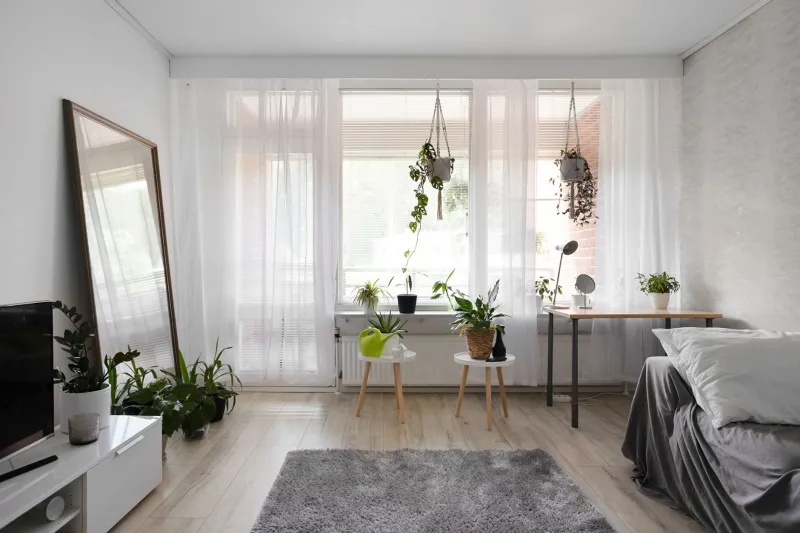
Embrace subtraction. Some of the most genuinely restful bedrooms are also the least visually busy. You don't have to go full minimalist, but editing down your surfaces and softening your color palette can shift the whole energy of the room.
-
Time your coziness. Use the full sensory experience — the candles, the layered textures, the ambient playlist — as part of your pre-sleep routine, not as the backdrop to actually falling asleep. Wind down with the cozy, then simplify for sleep.
The goal isn't to make your bedroom less special. It's to make it work for you in the most fundamental way a bedroom can — by actually helping you rest. Because the coziest thing of all? Waking up genuinely refreshed.