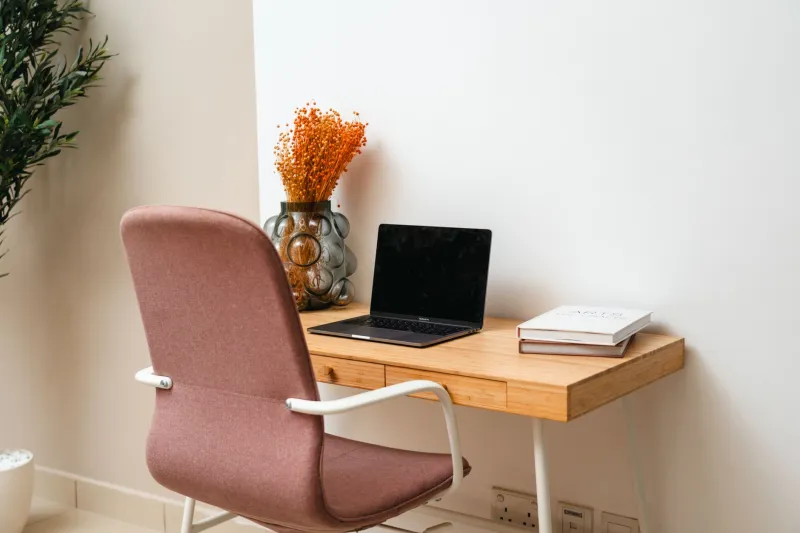
When Cozy Turns Into a Drain: The Surprising Science Behind Comfort That Exhausts You
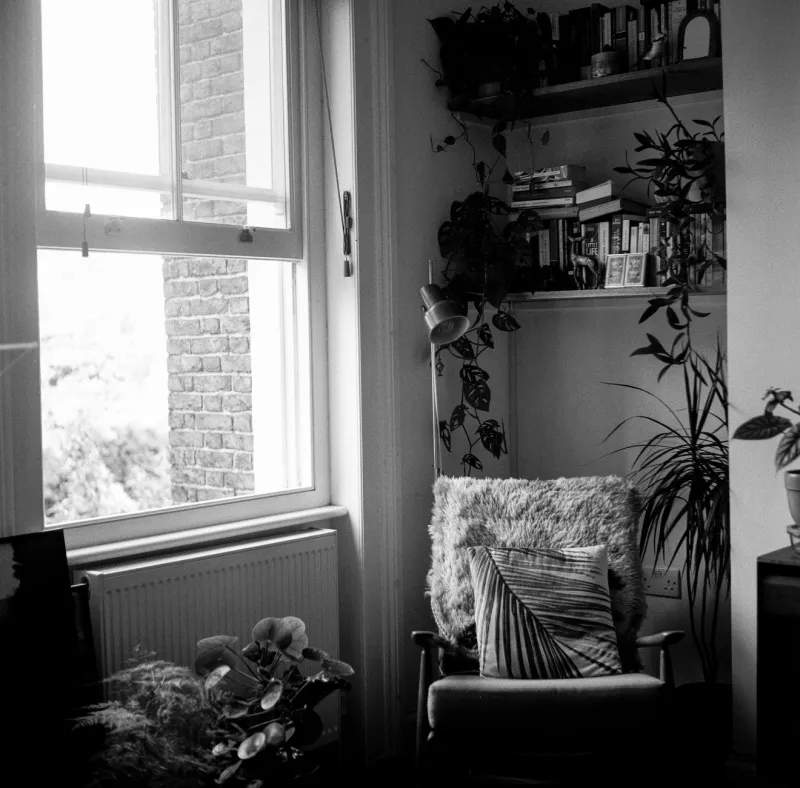
There's a certain kind of afternoon that feels almost perfect. You're curled up in your favorite chair, the blinds are mostly shut, a chunky knit blanket is piled across your lap, and the room has that warm, amber glow that makes everything feel hushed and slow. You meant to feel recharged. But two hours later, you peel yourself off the cushions feeling somehow worse — foggy, flat, and a little heavy in a way that has nothing to do with the blanket.
Sound familiar? You're not imagining it. And you're definitely not lazy. What you might be experiencing is something researchers and interior wellness experts have started calling comfort-induced stagnation — and it's more common than most of us realize.
The Feel-Good Trap
Here's the thing about coziness: it's genuinely good for you. The cultural obsession with hygge, the Danish concept of warm togetherness and intentional comfort, didn't take off in the US for no reason. Creating spaces that feel safe and soft and inviting serves a real psychological purpose. When we feel physically comfortable, our nervous systems can downshift from the constant low-grade stress of modern life.
But there's a point — and it's easier to cross than you'd think — where that same comfort tips over into something less helpful.
Neurologically, your brain is always scanning its environment for cues about what kind of mental state to settle into. Bright, varied stimulation signals alertness. Dim, uniform, low-contrast environments signal one thing: it's time to sleep. When you spend extended time in a room designed entirely around sensory softness — heavy drapes, thick rugs, low lighting, minimal visual contrast — your brain doesn't distinguish between "cozy rest" and "preparing for unconsciousness." It just starts shutting things down.
The result isn't genuine relaxation. It's a kind of low-level cognitive suppression that can leave you feeling lethargic, unmotivated, and oddly sad — even when nothing is actually wrong.
Heavy Textures, Heavy Moods
Texture is one of the most underestimated mood regulators in any room. Tactile softness — think velvet, sherpa, thick wool — activates the parasympathetic nervous system, which is the part responsible for slowing your heart rate and easing tension. That's a genuinely useful response after a stressful day.
But when a room is saturated with softness — every surface padded, every edge rounded, every material dense and muffling — the sensory input becomes monotonous. And the brain doesn't love monotony. In the absence of varied stimulation, it can start to interpret the environment as isolating rather than comforting.
This is part of why some people notice a creeping low mood after spending too much time in a heavily decorated, ultra-plush space. It's not the coziness itself that's the problem. It's the absence of contrast.
What Restorative Coziness Actually Looks Like
The distinction that matters here is between passive comfort and restorative comfort.
Passive comfort is the stuff that removes all friction — the blackout curtains that stay closed all day, the sectional you genuinely cannot get up from, the room that asks nothing of you and offers nothing back. It feels good in the moment, but it doesn't refuel you. It just pauses you.
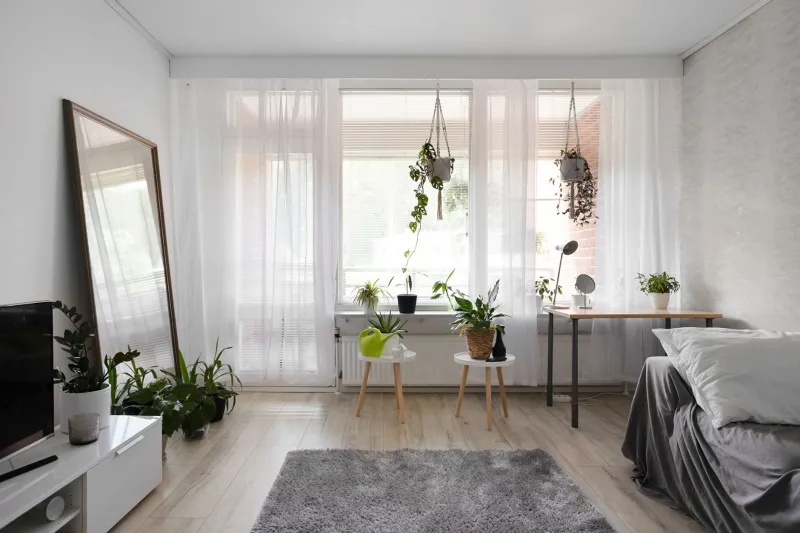
Restorative comfort, on the other hand, creates the conditions for genuine recovery. It involves softness and light. Warmth and a little visual interest. A sense of enclosure and some connection to the outside world — whether that's a window, a plant, or even a piece of art that gives your eyes somewhere to travel.
Think about the spaces that have left you feeling genuinely good after spending time in them. Chances are they weren't totally dark or completely uniform. There was probably some natural light, or a candle with enough flicker to create movement. Maybe a book or a project nearby that made you feel capable rather than inert. The room held you without swallowing you.
A Simple Framework for Evaluating Your Space
If you're not sure whether your favorite room is restoring you or quietly draining you, try running it through these four questions:
1. How do you feel when you leave it? This is the most honest measure. If you consistently feel foggy, unmotivated, or vaguely low after spending time in a space, pay attention to that. A room that's truly serving your wellbeing should leave you feeling settled — not depleted.
2. Is there any natural light reaching you? Natural light regulates cortisol and serotonin in ways that artificial light simply can't replicate. Even a small amount — a cracked blind, a sheer curtain instead of a blackout panel — makes a measurable difference in how alert and emotionally balanced you feel.
3. Does the room offer any gentle stimulation? This doesn't mean it needs to be busy or loud. But a single plant, a bookshelf, a piece of art with some depth and color — these give your brain something to engage with at low effort. That mild engagement keeps you present rather than checked out.
4. Is there anything in the room that connects you to something you care about? Comfort spaces that include small reminders of meaning — a photo, a creative project, a journal — tend to feel energizing even when they're soft and quiet. Spaces that are purely escapist, with nothing to anchor you to your own life, can subtly reinforce a sense of disconnection.
Small Shifts That Make a Big Difference
You don't need to rip out your reading nook or swap your cozy armchair for an ergonomic office setup. The goal isn't to make your home less comfortable. It's to make it smarter about comfort.
A few easy starting points:
- Swap one set of heavy curtains for sheers in the room you spend the most daytime hours in. You keep the sense of softness while letting light do its job.
- Add one element of visual contrast — a throw pillow in a slightly brighter tone, a lamp with a clear or white shade instead of amber, a small piece of art with clean lines.
- Keep one corner of the room active. A small side table with a book you're actually reading, a sketchpad, a crossword — something that signals possibility rather than pure retreat.
- Try a ten-minute light exposure ritual before settling in. A short walk outside, or even sitting near a bright window, can reset your cortisol rhythm enough that the cozy room that follows actually restores you.
Cozy Should Work For You
At Cozy Cotg, we believe deeply in the power of a space that feels like home in the best possible way — warm, personal, and genuinely restorative. But real coziness isn't just about piling on the softness and dimming the lights. It's about creating an environment that holds you well enough that you actually want to get back up from it.
The goal isn't a room that traps you. It's a room that refuels you.
And sometimes the most loving thing you can do for your favorite space — and yourself — is to let a little more light in.